Which is the best time to visit Munnar?
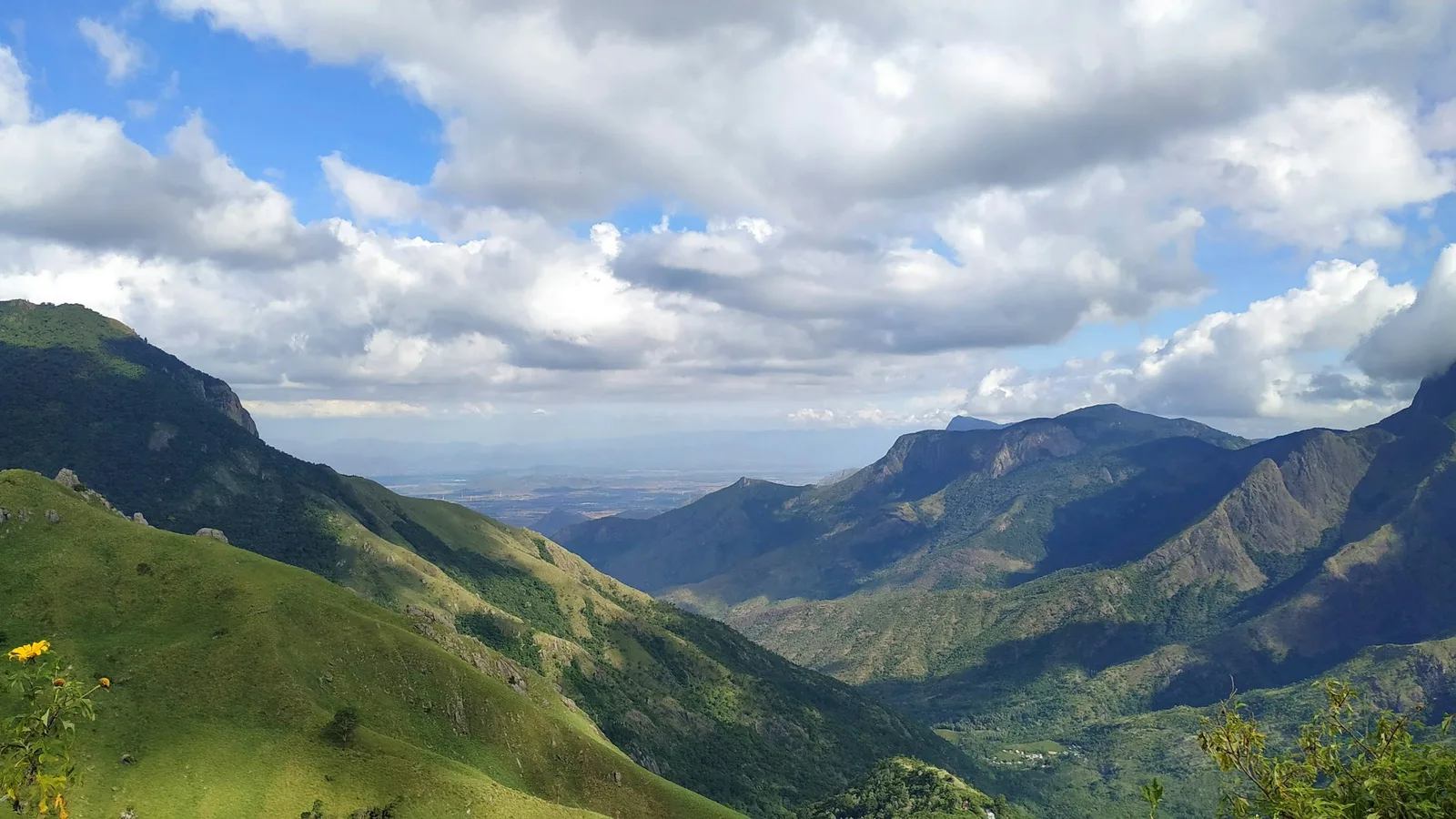
Owing to its lovely atmosphere and salubrious climate, Munnar remains the perfect destination at all times of the year. It does not have extreme climatic conditions as in Shimla and Manali. Here is what each season brings, so you can choose the Munnar you would like to see.
Winter: clear days and cold nights
From the end of the monsoon through the turn of the year, the air clears and the views open out across the ranges. Days are mild; nights are cold, and on the highest estates the temperature has been known to drop below zero. Pack woollens, plan an early start for the viewpoints, and come back to a campfire.
Spring and summer: long walks and green slopes
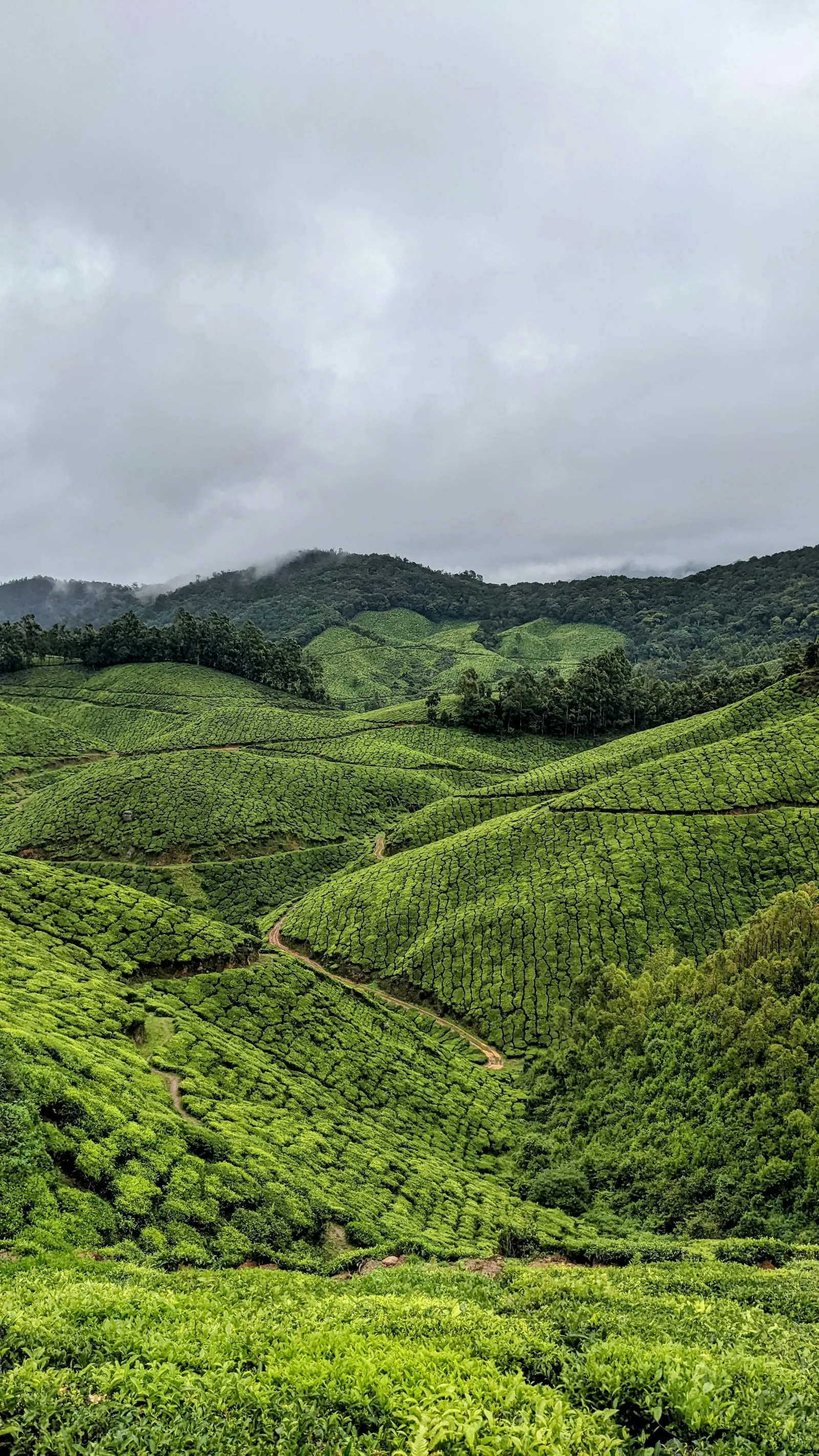
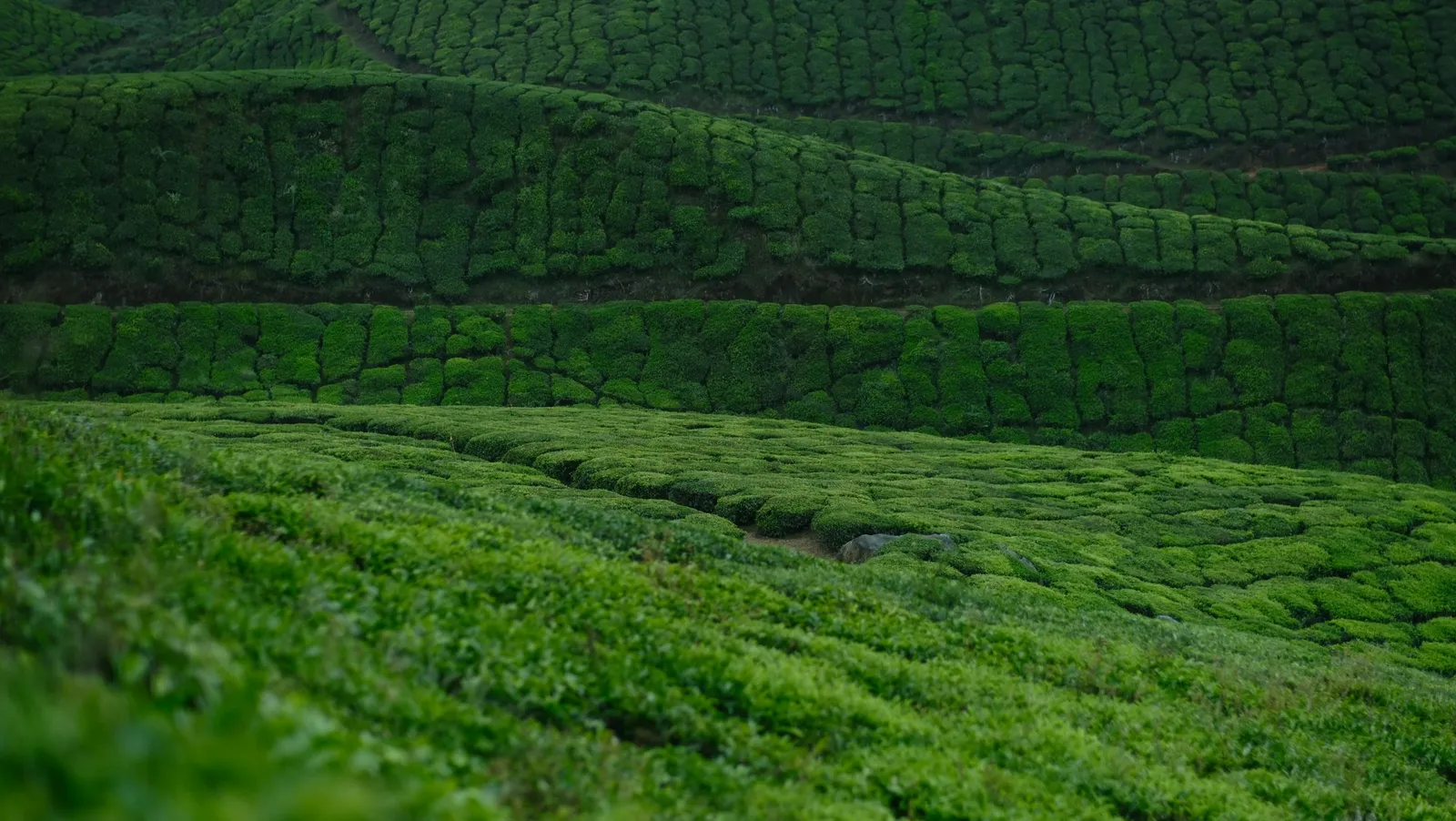
When the plains of Kerala and Tamil Nadu grow hot, Munnar stays between about 15 and 25 °C. It is a good time for the treks around Chithirapuram and for the tea estates, when the bushes are trimmed and the slopes are at their greenest. Cottons are enough for the day; keep a light jacket for the evening.
The monsoon: mist, waterfalls and quiet roads
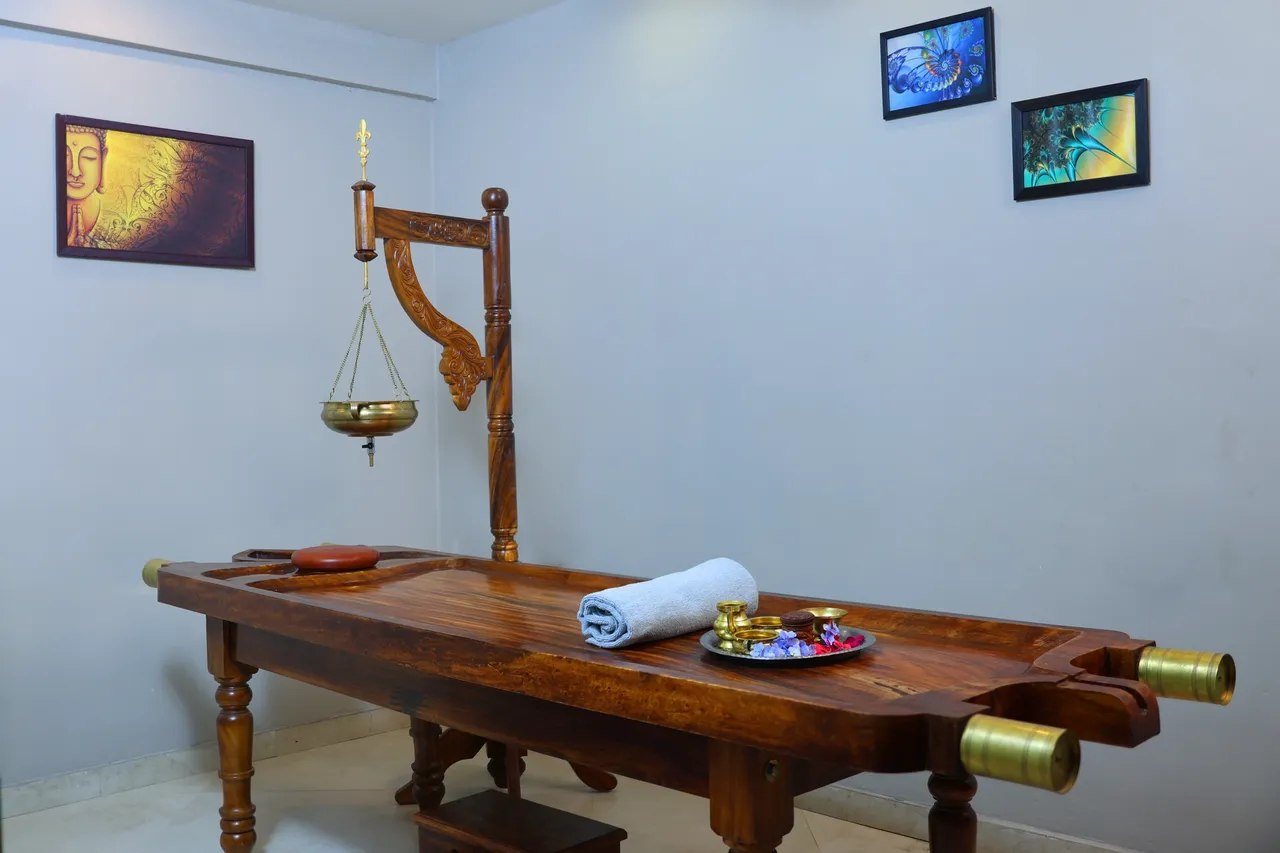
The rains turn every hillside into a waterfall and roll the mist down the valleys, often right past the balcony. Roads are quieter and the resort is at its most peaceful. It is the season for a long Ayurveda treatment, a book by the window and short walks between showers. Bring woollens and a good umbrella.
Once every twelve years
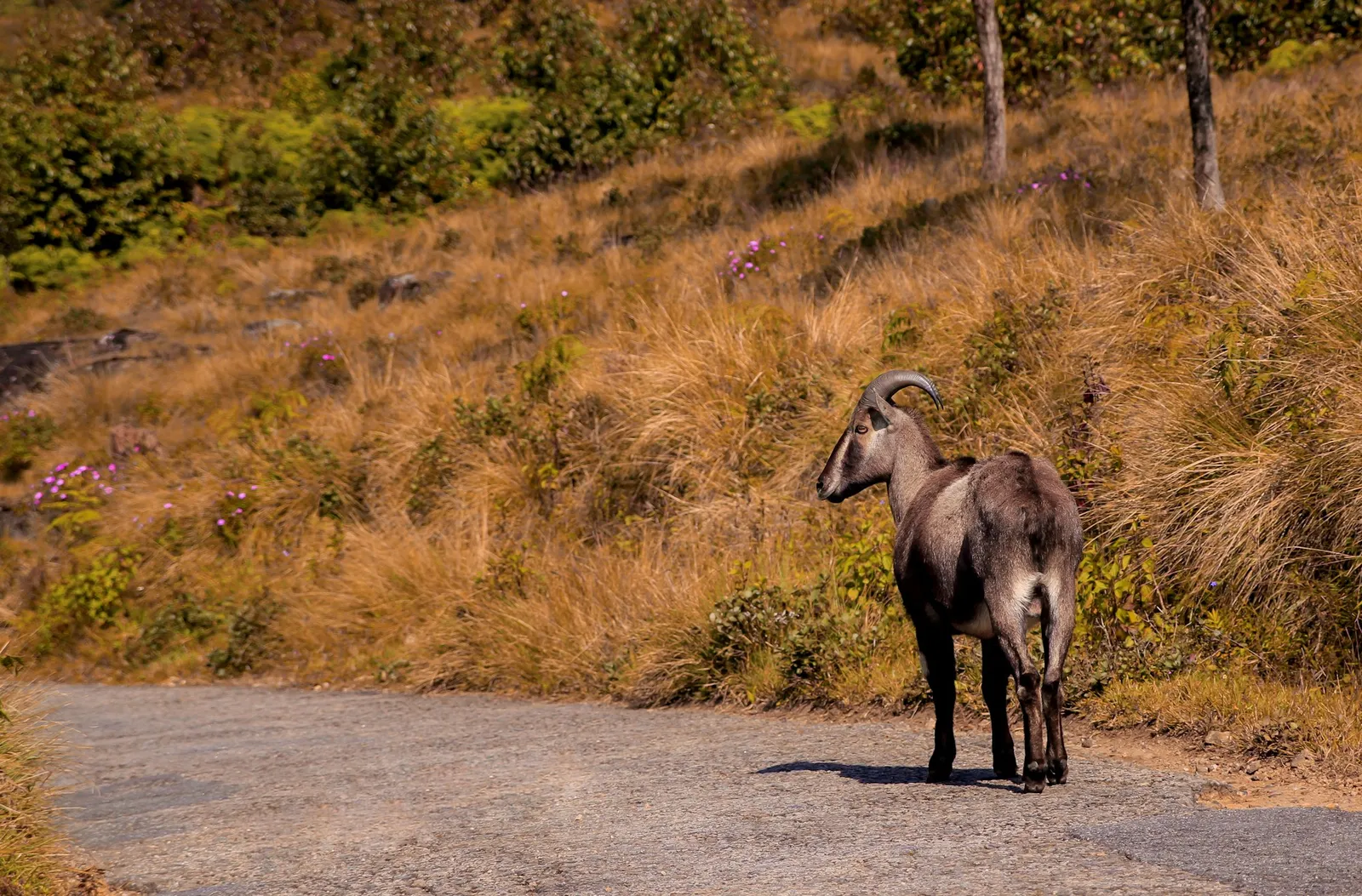
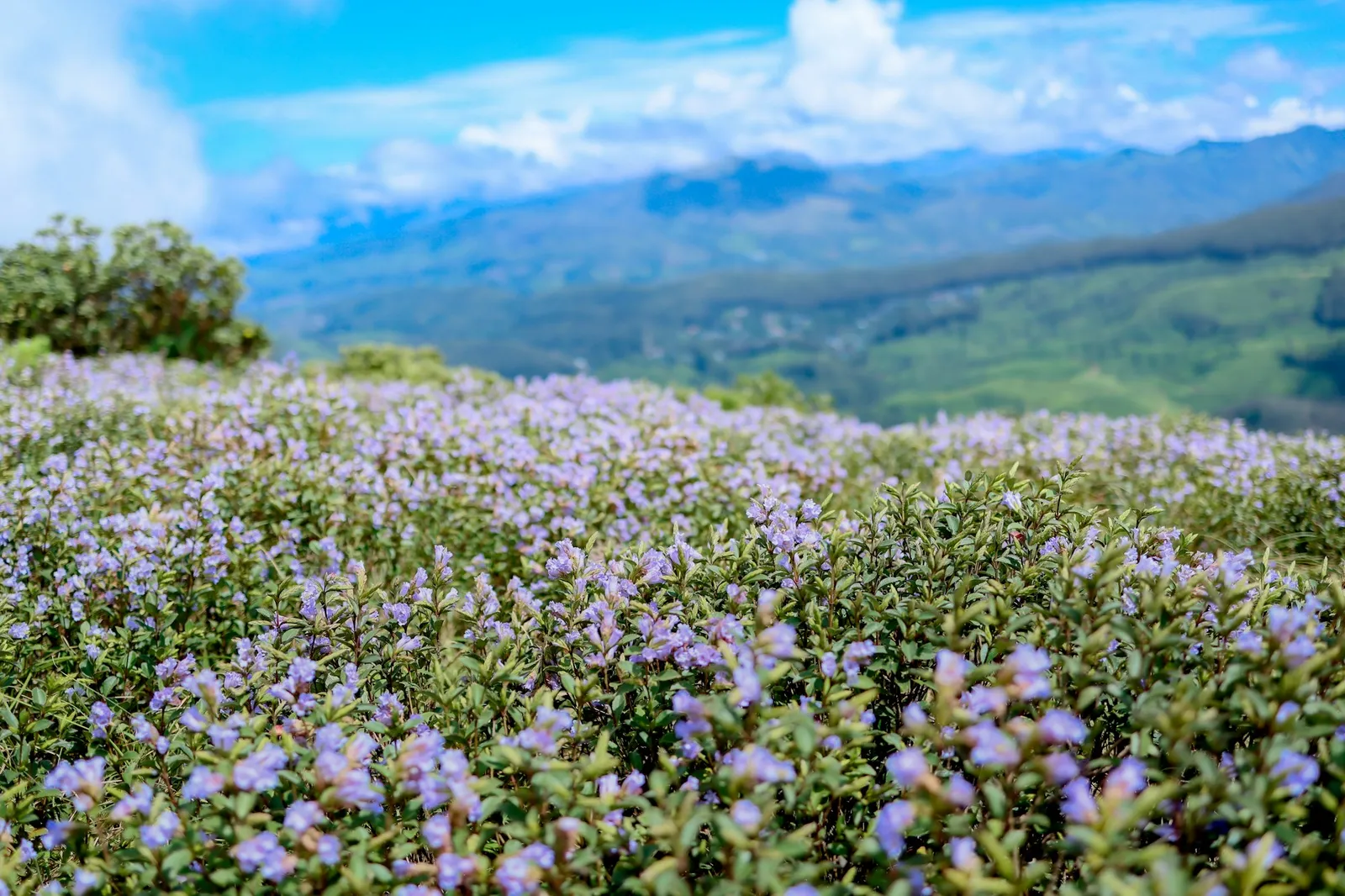
The Neelakurinji turns the hills violet only once every twelve years. The last great bloom was in 2018; if the cycle holds, the next will be around 2030.
Our advice
Come when you can. Each season shows a different Munnar, and our travel desk will plan your days around the weather you find. Ask us when you reserve.